Magnolia: A Handwritten Font for Enchanting Design
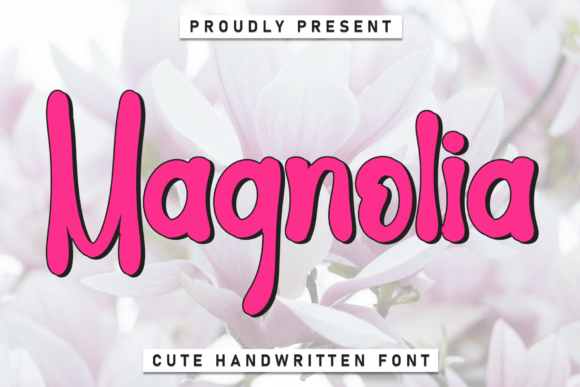
Every designer knows the search for that perfect typeface—one that doesn’t just convey words but evokes a specific, powerful feeling. Imagine a font so charismatic it feels less like a digital tool and more like a piece of handcrafted art. This is the essence of Magnolia, an enchanting handwritten display font that offers a unique solution for projects demanding a touch of whimsy and authenticity.
What is the Magnolia Font and Why Does It Matter?
Magnolia is a captivatingly charismatic display typeface characterized by its fluid, natural script style. In modern graphic design, where authenticity and emotional connection are paramount, such a font is invaluable. It moves beyond sterile, generic typography to inject personality directly into the visual hierarchy. For designers, marketers, and creators, it’s a creative asset that solves the challenge of making a brand feel approachable, romantic, or celebratory. It’s particularly harmonized for wedding invitations, greeting cards, and branding where a personal, human touch is essential to the message.
Practical Applications for Whimsical Creativity
The true power of a font like Magnolia is realized in its application across diverse creative projects. Its delightful typeface design yearns to sprinkle joy into your work, making it ideal for numerous contexts:
- Branding and Logo Design: Use it to craft logos for boutiques, bakeries, wedding planners, or lifestyle brands that wish to communicate elegance and a personal touch.
- Marketing Materials: Elevate brochures, flyers, and posters with headlines that feel handwritten, immediately capturing attention and setting a creative tone.
- Social Media Content: Create stunning Instagram graphics, Pinterest pins, and Facebook ads that stand out in a crowded feed, enhancing visual engagement and brand recall.
- Packaging Design: Perfect for product labels, gift tags, and artisanal goods packaging, where the script style reinforces a sense of care and craftsmanship.
- Editorial and Web Design: When used sparingly for pull quotes, hero titles, or accents in UI design, it can break the monotony of body text and guide the user's eye effectively.
Tips for Effective Typography Implementation
Integrating a distinctive font like Magnolia requires thoughtful consideration to maintain professionalism and readability. Here are key factors for any design workflow:
- Prioritize Readability: As a display font, Magnolia is best suited for short headlines, logos, or accent text. Pair it with a clean, legible sans-serif or serif font for body copy to ensure a balanced visual hierarchy.
- Consider Context and Audience: A whimsical script aligns perfectly with a celebratory or luxury brand identity but may not suit a corporate legal firm. Always align your typography choice with audience expectations and project goals.
- Test for Scalability: Ensure the font remains clear and impactful at various sizes, from a large banner to a small social media icon. Check its performance in both digital and print design contexts.
- Maintain Brand Consistency: If used for a brand system, document its specific applications. Consistency in using such a unique font strengthens brand identity and recognition across all touchpoints, from web design to merchandise.
Ultimately, the choice of typography is a fundamental pillar of effective visual communication. A thoughtfully selected creative asset like Magnolia does more than decorate; it communicates tone, emotion, and brand values in an instant. By investing in high-quality, purpose-driven design elements, you ensure your projects not only look visually stunning but also connect with your audience on a deeper, more memorable level, elevating both the aesthetics and the clarity of your message.